Home › Commercial Gravel-to-Asphalt Conversions
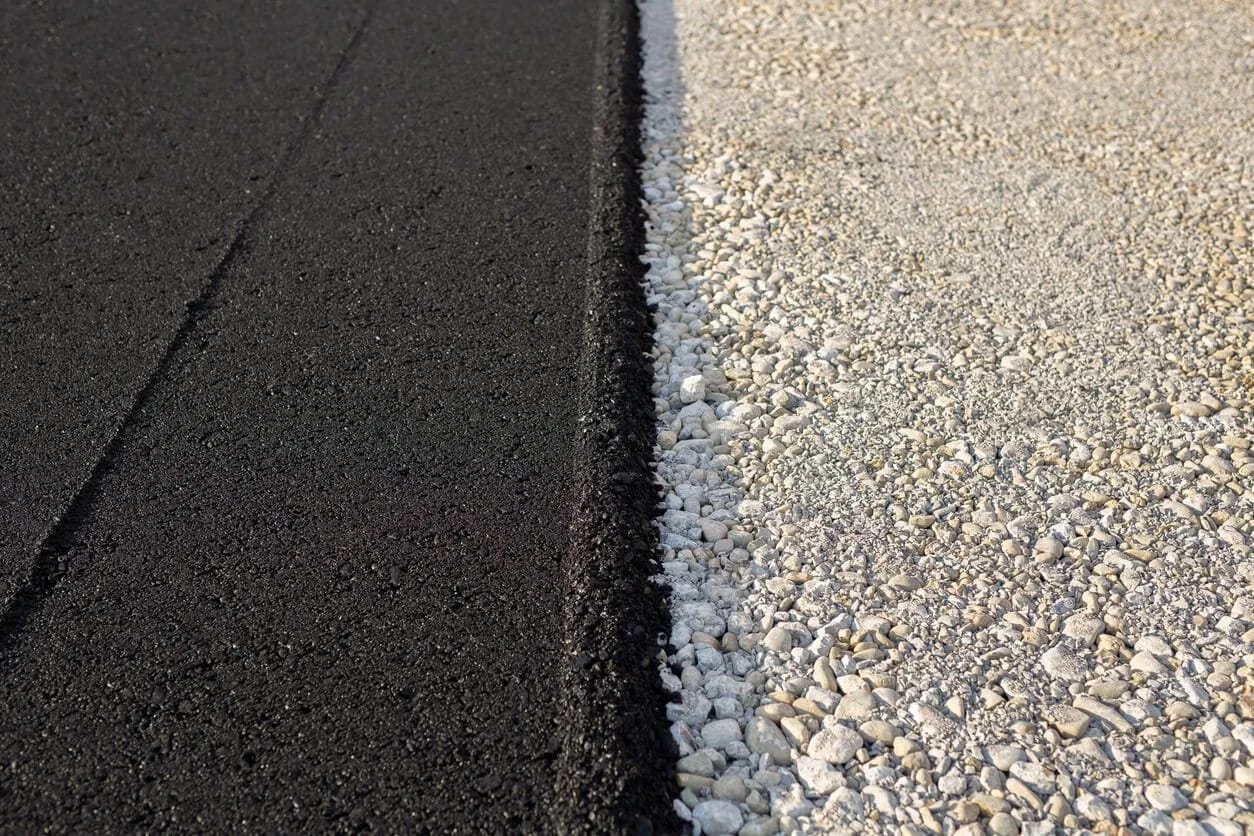
We handle commercial gravel to asphalt conversions in St Petersburg, FL for lots, drives, and storage areas. Our crew regrades and compacts the aggregate base, improves drainage, and installs durable asphalt to handle daily traffic. Converting to asphalt reduces dust, mud, and maintenance for your business.
Precision Asphalt St. Petersburg provides professional commercial gravel to asphalt throughout St Petersburg, FL, Florida and the surrounding area. Our licensed, insured crew delivers safe, clean, on-time work with a free estimate before anything begins. Call (727) 263-2016 or request your free quote.
Commercial Gravel-to-Asphalt Conversions for St Petersburg Properties
Gravel lots are common on commercial sites around St Petersburg, but they create dust, rutting, and drainage problems that only get worse in our rainy season. Precision Asphalt St. Petersburg focuses on converting those gravel areas into durable commercial asphalt surfaces that handle daily traffic and Gulf Coast weather.
We work with shopping centers, office parks, industrial yards, medical facilities, and multifamily properties that started with gravel as a quick or low-cost solution. Over time, the maintenance, complaints, and poor appearance outweigh the savings. A proper commercial gravel-to-asphalt conversion gives you a stable driving and parking surface, cleaner interiors, and a professional look that tenants and customers immediately notice.
Instead of a one-size-fits-all approach, we look at your current gravel lot, soil conditions, and how the space is used. A delivery yard off 34th Street needs different design and thickness than a small office parking lot near 4th Street North. Our goal is straightforward: build an asphalt section that matches your real traffic loads so you do not have to rebuild it in a few years.
Evaluation and Planning Before We Pave
A solid conversion starts with understanding what is under your gravel. In many St Petersburg commercial sites, especially older strip centers from the 1960s through 1980s, the gravel was dumped over whatever soil was there, often without compaction or base preparation. If we simply pave over it, you will see cracking and depressions within a short time.
Precision Asphalt St. Petersburg begins with a site visit and basic evaluation. We check gravel depth, look for soft spots, test compaction, and review drainage patterns. On low-lying sites closer to the bay or near retention ponds, we pay special attention to water movement and any signs of standing water after storms. If needed, we can coordinate simple soil probing to see how deep the soft layer goes before we design the new asphalt section.
Planning also includes layout adjustments. During a conversion, many owners choose to add or re-stripe parking spaces, change traffic flow, or bring the lot closer to ADA and fire lane requirements. We can help you set realistic parking counts for your building size, adjust drive lanes for delivery trucks, and plan clear pedestrian paths from parking to entrances. Addressing these details during design avoids layout problems after paving is complete.
Step-by-Step Process: From Loose Gravel to Finished Asphalt
Once the plan is set, we move through a defined series of steps so your commercial gravel-to-asphalt conversion is both efficient and durable.
First, we strip and regrade the existing gravel. This means cutting down high spots, filling low spots, and shaping the surface to create a consistent slope toward drains, swales, or the street. In some cases, we remove excess or contaminated gravel and haul it offsite, especially where oil spills or embedded debris are present.
Next, we build or correct the base. For most commercial lots in St Petersburg, this involves importing and placing a crushed aggregate base, then compacting it with vibratory rollers in controlled lifts. We target compaction that supports the expected traffic, and we adjust thickness for areas where garbage trucks, delivery trucks, or service vehicles regularly turn or stop.
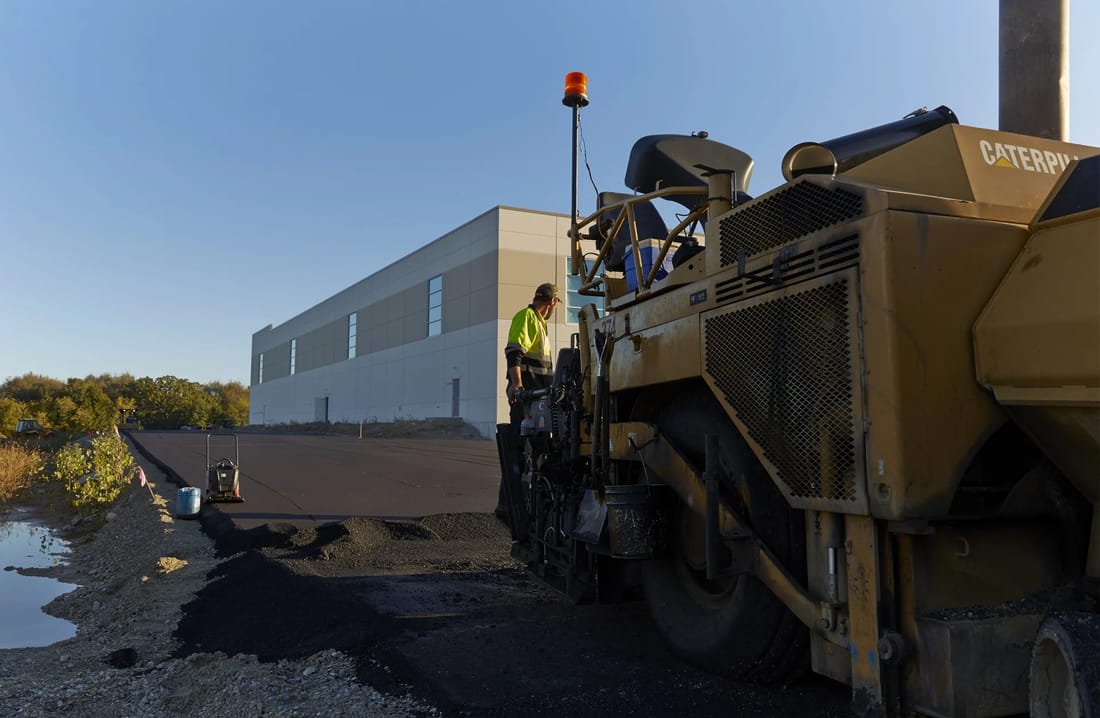
After the base is in place and approved, we install asphalt in one or more layers. Light duty commercial parking areas may receive a single surface course. Heavier use entrances, drive aisles, and loading zones often get a binder course underneath a surface course for added strength. We match the mix design to your use and local FDOT standards, and we account for tie-ins to existing concrete approaches, sidewalks, and drainage structures so you do not end up with trip edges.
Finally, we compact the asphalt while it is at the correct temperature, then finish with striping, markings, and wheel stops if needed. For occupied properties, we phase work and coordinate closures so tenants maintain as much access as possible.
Design Choices, Cost Drivers, and Typical Timelines
For commercial gravel-to-asphalt conversions, cost is driven mainly by base preparation, total asphalt thickness, and site access. A flat, well-compacted gravel lot in a warehouse district off Gandy that only needs minor grading will cost less per square foot than a soft, rutted lot in an older retail center near Central Avenue that requires significant base correction and drainage work.
Design choices affect both performance and cost. Thicker sections with a binder and surface course cost more upfront, but they are often the best choice for heavy vehicle traffic or for lots that have been chronically wet and unstable. For lighter duty office and medical parking, a slightly thinner asphalt section on a well-prepared base can still meet performance needs while keeping the project within budget.
Access and phasing also matter. If we can work in large uninterrupted sections, production is more efficient and cost per square foot can decrease. If the property must stay fully operational with tight working windows, there is more labor and coordination involved. Precision Asphalt St. Petersburg will lay out a realistic schedule so tenants know which areas are closed and when they will reopen.
In terms of timeline, smaller commercial lots can often be converted in two or three working days of on-site activity. Larger centers or multifamily complexes that require staged work might extend over a week or more, but individual sections are usually reopened to traffic within 24 to 48 hours after asphalt is placed.
Local Issues: Drainage, Heat, and Long-Term Performance
St Petersburg has specific conditions that can damage poorly built asphalt surfaces. Afternoon storms, king tides, and generally high groundwater levels can soften subgrade soils under what looks like a solid gravel lot. If that movement is not addressed before paving, the new asphalt will crack and settle prematurely.
During a commercial gravel-to-asphalt conversion, we look for and correct these issues. We may recommend minor regrading around catch basins, adding swales along property lines, or cutting in valley gutters to move water away from building entrances. Where repeated ponding has occurred, we will often increase base thickness or use a more robust asphalt structure under those specific areas.
Solar heat is also a factor. In open commercial lots without shade, asphalt temperatures run high for much of the year. To reduce early oxidation and raveling, we focus on proper compaction and joint construction so air does not easily penetrate the surface. If you want to further extend life, we can plan for a future sealcoat cycle once the asphalt has cured, usually after the first year of service.
For properties near the water or in corrosive coastal environments, we pay closer attention to edge support where asphalt meets sand or shell shoulders. Unsupported edges tend to break off under delivery traffic, so we may suggest thicker edges, concrete ribbon borders, or other edge stabilization methods.
What St Petersburg Owners Should Clarify Before Hiring
Before you hire a contractor for a commercial gravel-to-asphalt conversion, there are several points you should have clearly documented. Precision Asphalt St. Petersburg encourages owners and managers to ask for written details on base thickness, asphalt thickness, traffic assumptions, and drainage changes, not just a lump-sum price.
Confirm which areas are getting heavier-duty asphalt, such as dumpster pads, loading docks, and main entrances, compared to lighter-duty parking rows. Make sure the scope explains how existing soft spots in the gravel will be corrected, not just paved over. Ask how the contractor plans to tie into existing concrete aprons, curbs, and ADA ramps, since poor tie-ins are where many failures and trip hazards occur.
You should also know how tenant and customer access will be handled. A clear phasing plan, with specific dates or sequences, avoids last-minute surprises that upset businesses in your center. Finally, request an outline of post-project responsibilities, such as when striping will occur, how long to keep heavy trucks off the new pavement, and what early maintenance is recommended.
When you work with Precision Asphalt St. Petersburg, we put these details in writing so you know exactly what you are getting from your commercial gravel-to-asphalt conversion and how it is designed to perform on your specific St Petersburg property.